
FHA Loans
Buying a home can feel out of reach if you don’t have a large down payment or a perfect credit score — but that’s exactly the gap FHA loans were designed to fill. Whether you’re a first-time buyer or someone rebuilding your credit, an FHA loan can open the door to homeownership faster than you might think. Licensed mortgage professional Cole Boren helps buyers across the country navigate FHA loan options and find the right financing fit for their budget and goals.
Affordable Financing with Flexible Qualification Requirements

What Is an FHA Loan?
An FHA loan is a mortgage insured by the Federal Housing Administration (FHA), a division of the U.S. Department of Housing and Urban Development (HUD). Because the government insures the loan, private lenders take on less risk — which means they can offer more flexible qualification requirements than conventional loans. This makes FHA loans one of the most popular mortgage options for first-time homebuyers, buyers with limited savings, and those with less-than-perfect credit histories.
Why FHA Loans Are So Popular
FHA loans continue to be one of the top choices in the mortgage market for several key reasons:
- Low down payment requirements — You can qualify with as little as 3.5% down if your credit score is 580 or higher.
- Flexible credit standards — Borrowers with scores as low as 500 may still qualify with a 10% down payment.
- Competitive interest rates — Because the loan is government-backed, lenders can offer rates that are often comparable to or better than conventional loans.
- Higher debt-to-income tolerance — FHA guidelines allow more flexibility for buyers with existing debt.
- Assumability — FHA loans can be assumed by a future buyer, which can be a valuable selling point down the road.
These features make FHA home loans especially attractive to first-time buyers, young families, and anyone who wants to buy a home without waiting years to save a large down payment.
FHA Loan Requirements
While FHA loans are more forgiving than conventional financing, there are still baseline requirements to keep in mind:
- Credit score — Minimum of 500, though 580+ unlocks the lowest 3.5% down payment option.
- Down payment — 3.5% (580+ credit) or 10% (500–579 credit).
- Debt-to-income ratio — Generally capped around 43%, though exceptions exist with strong compensating factors.
- Steady employment and income history — Typically two years of verifiable income.
- Mortgage insurance — FHA loans require both an upfront mortgage insurance premium (UFMIP) and an annual mortgage insurance premium (MIP), which protects the lender in case of default.
- Primary residence only — FHA loans are designed for owner-occupied homes, not investment or vacation properties.
- FHA appraisal — The home must meet HUD’s minimum property standards for safety and livability.
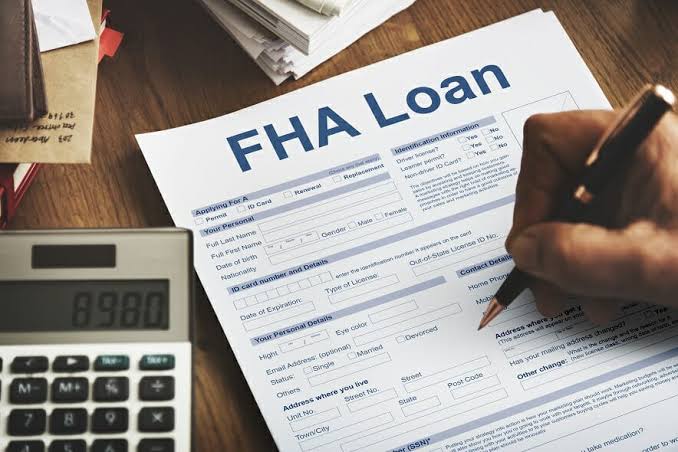
FHA Loans vs. Conventional Loans
The biggest differences between FHA and conventional loans come down to credit flexibility, down payment, and mortgage insurance structure. Conventional loans may offer lower mortgage insurance costs for borrowers with excellent credit and larger down payments, but FHA loans typically win out for buyers with lower credit scores or minimal savings. Choosing between the two often depends on your credit profile, how much you have saved, and your long-term homeownership plans — which is why speaking with an experienced loan officer before applying is so valuable.
Who Should Consider an FHA Loan?
FHA loans are an excellent fit for:
- First-time homebuyers with limited down payment savings
- Buyers rebuilding credit after financial setbacks
- Buyers with higher debt-to-income ratios
- Those purchasing a primary residence, including 1–4 unit properties
- Buyers who want predictable, government-backed loan terms
Get Started With Your FHA Loan Today
Navigating FHA loan requirements, current loan limits, and mortgage insurance rules can feel overwhelming — but you don’t have to do it alone. Whether you’re purchasing your first home, refinancing, or exploring your FHA loan eligibility, personalized guidance makes all the difference.
Cole Boren 📞 702-275-5997 📧 cboren@cmghomeloans.com
Reach out today to find out how much home you can afford with an FHA loan and take the next step toward homeownership.
Key Benefits of FHA Loans
Low Down Payment
.
Flexible Credit Requirements
.
Stable Fixed Payments
.
Easier Qualification Process
.
First-Time Buyer Friendly
Streamlined Refinance Options
Navigating the modern mortgage landscape requires finding a financing option tailored to your specific financial situation and homeownership goals. Standard options like low down payment FHA mortgages and traditional conforming conventional home loans offer reliable, flexible terms for many buyers. Military service members and veterans can take advantage of zero-down VA home financing, while buyers pursuing higher-value properties can secure competitive funding through specialized jumbo loan programs. If you are just starting your journey, exploring dedicated resources for first-time homebuyer guidance can help simplify every step of the mortgage process from pre-approval to closing.
For homeowners and real estate investors looking for specialized or alternative strategies, tailored loan products provide unique solutions. Real estate investors often rely on DSCR loan options to qualify based on property cash flow rather than personal income, while self-employed borrowers benefit from bank statement mortgage qualifying to verify revenue without standard tax returns. Existing homeowners looking to tap into built-in equity can access flexible credit lines through a home equity line of credit (HELOC), or finance property upgrades and updates using fix-and-finish renovation loans. For a comprehensive strategy that combines home financing and banking into a single fluid structure, an All-In-One loan account allows you to pay down principal faster while maintaining access to your capital.